
Choosing the Right VoIP Business Phone System for Your Company
Strong communication is the backbone of every successful company. Whether you run a small startup or a growing enterprise you need reliable Business Phone Systems that support daily operations. Modern companies are now shifting from traditional landlines to smart and flexible VoIP solutions.
VoIP technology allows voice calls over the internet. It reduces costs and improves flexibility. Today’s businesses want systems that are easy to manage scalable and secure. In this guide you will learn how to choose the right solution based on your company size goals and workflow.
Understanding Modern Business Phone Systems
Modern Business Phone Systems are no longer limited to basic calling. They now include advanced tools that improve productivity and customer experience.
Traditional landlines are being replaced by digital and cloud solutions. These systems operate through the internet which reduces hardware needs and maintenance costs.
Benefits
- Lower call and maintenance costs
- Easy scalability as your team grows
- Remote access for hybrid teams
- Better call quality and reliability
Real World Impact
Companies can manage calls from multiple locations. Teams can answer calls on desktop phones mobile devices or laptops. This improves response time and customer satisfaction.
Why VoIP Business Phones Are a Smart Investment
VoIP business phones use internet connectivity instead of copper lines. This allows companies to integrate voice video and messaging into one system.
They are ideal for modern workplaces that rely on speed and flexibility. Businesses can add or remove users without complex installations.
Key Features
- Cloud based call management
- Auto attendants and call routing
- Voicemail to email
- Call analytics and reporting
Operational Benefits
VoIP systems reduce long distance charges. They also allow teams to work from anywhere with stable internet access. This makes them perfect for growing and remote businesses.
Comparing Office Phone Systems for Different Business Sizes
Office phone systems should match your team size and daily call volume. Not every solution fits every company.
Small businesses may need simple setups with fewer extensions. Large companies require advanced routing and integration with CRM tools.
Best Practices
- Evaluate your daily call traffic
- Check compatibility with existing tools
- Plan for future growth
- Choose systems with strong customer support
Use Cases
Retail stores use phone systems to manage customer inquiries. Corporate offices rely on them for internal communication and client support. Call centers need advanced features like queue management and analytics.
Wireless Business Phones for Flexible Work Environments
Wireless business phones allow employees to move freely while staying connected. These systems use WiFi or DECT technology.
They are perfect for warehouses hospitals retail stores and large office spaces.
Advantages
- Increased mobility
- Faster internal communication
- Improved employee productivity
- Reduced wiring infrastructure
Business Value
Staff can answer calls while walking through facilities. Managers can stay reachable without being at their desks. This improves operational efficiency.
Choosing the Right VoIP Desk Phones for Your Team
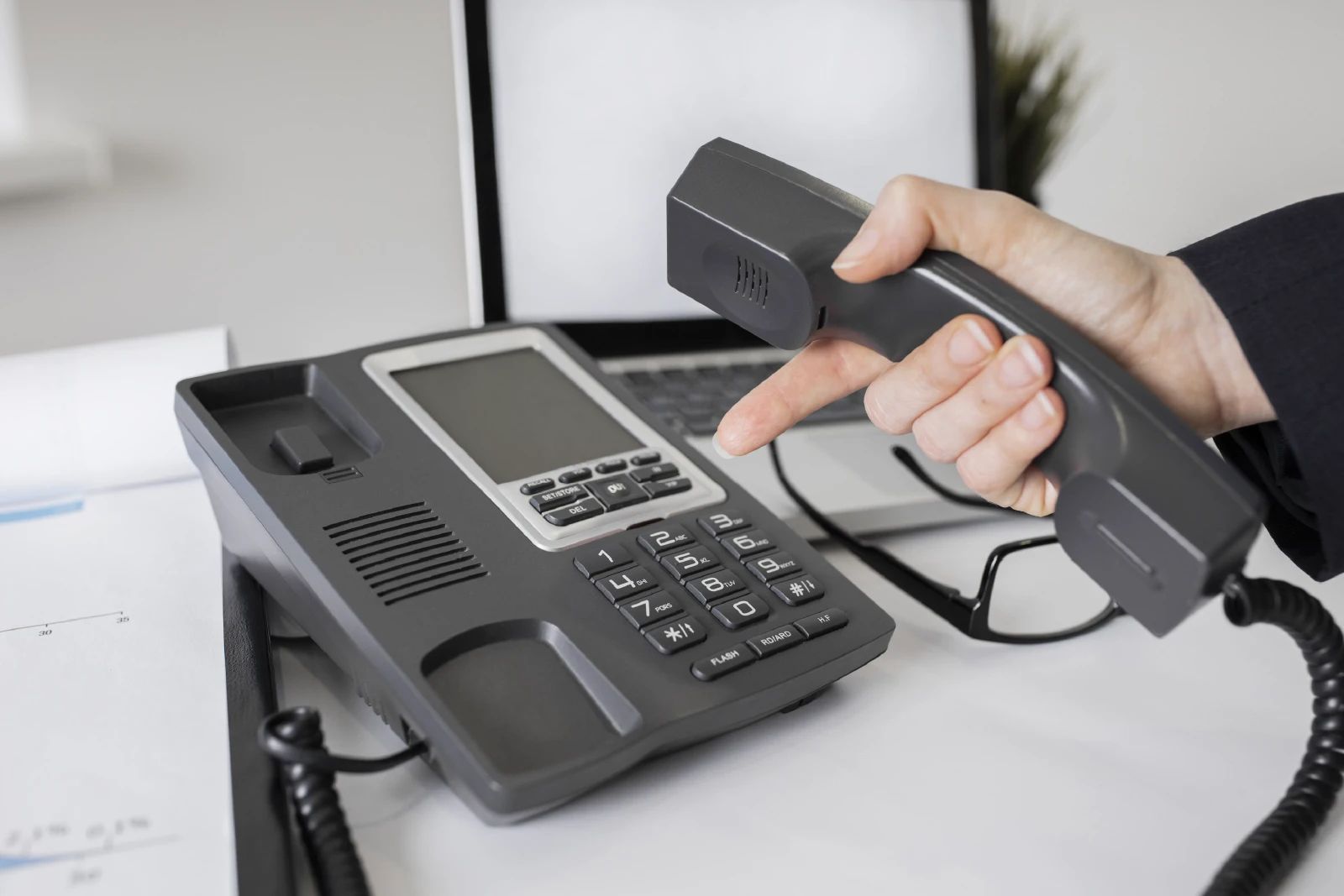
VoIP desk phones provide stable audio quality and advanced calling features. They connect directly to your network and integrate with cloud platforms.
Many models include touch screens and programmable keys.
Important Capabilities
- HD voice quality
- Conference calling support
- Call transfer and forwarding
- Integration with business apps
Expert Tips
Select devices that are easy to configure. Make sure they support firmware updates. Choose brands that offer long term support and warranty coverage.
Digital Phone Systems vs Traditional Setups
Digital phone systems offer improved clarity and feature sets compared to analog systems. They bridge the gap between old infrastructure and modern VoIP platforms.
Businesses upgrading from legacy systems often choose digital options as a transition step.
Key Considerations
- Infrastructure compatibility
- Upgrade costs
- Long term scalability
- Security features
If your company plans long term growth it is better to move toward full VoIP solutions. Digital systems work well but cloud systems offer greater flexibility and remote access.
Conclusion
Choosing the right Business Phone Systems requires careful planning and evaluation. You must consider your company size budget and long term goals. Modern solutions like VoIP business phones wireless devices and digital systems offer flexibility and cost savings.
The best system is one that supports growth and improves customer communication. Take time to compare features reliability and support options. With the right Business Phone Systems your company can improve productivity and customer satisfaction.