

;
The Advantages of Keyless Entry Systems for Office Security
Office security has become more important than ever. Companies must protect employees data and physical assets every day. Modern Access Control Systems help businesses manage who enters their premises and when. They replace traditional keys with secure digital solutions that are easier to control and monitor.
Lost keys and unauthorized duplication create serious risks. Keyless technology solves these problems with smart verification methods. From small offices to large corporate buildings businesses are upgrading their security infrastructure. In this article we will explore the advantages of keyless entry systems and how they improve safety efficiency and overall workplace management.
Why Access Control Systems Are Essential for Modern Offices
Access Control Systems provide structured and secure entry management. They allow businesses to decide who can enter specific areas and at what times. This creates a safer and more organized work environment.
Traditional lock and key methods offer limited control. Once a key is lost security is compromised. Modern systems remove this risk by offering digital access management.
Benefits
- Controlled entry to sensitive areas
- Reduced risk of unauthorized duplication
- Easy access revocation
- Real time monitoring
Real World Impact
HR departments can restrict access to confidential record rooms. IT teams can protect server rooms from unauthorized staff. This layered security reduces internal and external threats.
How Keyless Entry Systems Improve Workplace Efficiency
Keyless entry systems remove the need for physical keys. Employees can use cards mobile apps or codes to unlock doors. This speeds up entry and reduces delays.
Office managers can grant or revoke access within minutes. There is no need to replace locks when staff changes occur.
Key Features
- Mobile based access credentials
- Remote management dashboard
- Audit trails for entry records
- Scheduled access permissions
Practical Business Value
Businesses save money on rekeying services. Employees spend less time dealing with lost keys. Daily operations become smoother and more secure.
The Role of Smart Access Control in Digital Security
Smart access control systems integrate with other office technologies. They connect with surveillance cameras alarm systems and building management tools.
This integration provides centralized monitoring. Security teams can track access activity in real time.
Advantages
- Cloud based management
- Instant alerts for suspicious activity
- Remote access control
- Data driven insights
Use Cases
Corporate headquarters use smart systems to monitor multiple floors. Co working spaces assign digital access to members based on subscription plans. This ensures flexible yet secure access management.
Biometric Access Systems for Maximum Protection
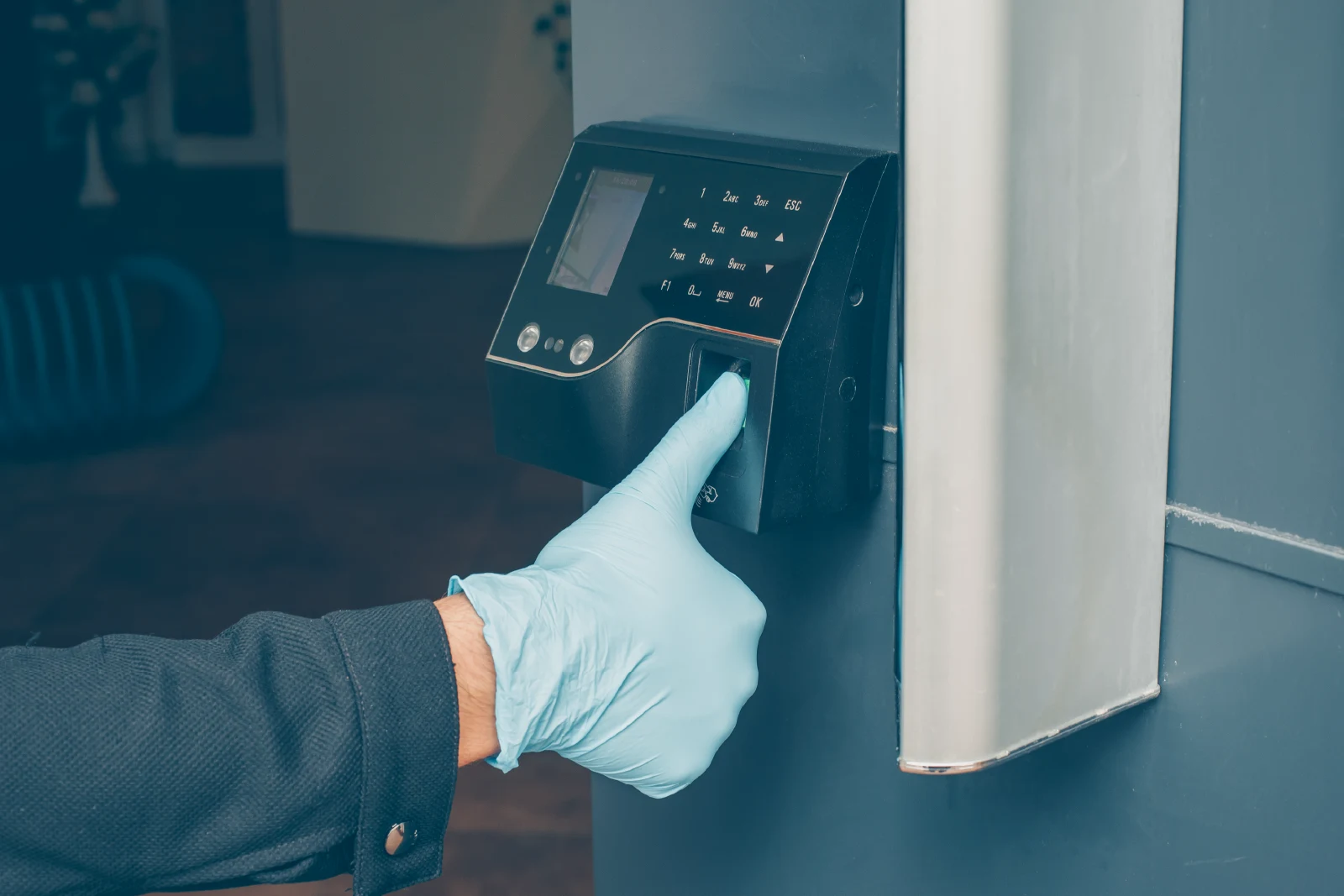
Biometric access systems use fingerprints facial recognition or iris scans for identity verification. These systems offer high security because credentials cannot be easily shared or copied.
Biometric solutions reduce the risk of unauthorized entry. They are commonly used in high security areas.
Key Capabilities
- Fingerprint recognition
- Facial scanning technology
- Fast authentication process
- Secure data encryption
Industry Applications
Banks use biometric systems to protect vault areas. Research labs secure sensitive data rooms. Government facilities rely on biometrics for restricted zones.
RFID Access Control for Scalable Office Security
RFID access control uses radio frequency identification cards or tags. Employees simply tap their card to unlock doors equipped with electronic door locks.
This method is cost effective and easy to manage. It works well for medium to large offices.
Operational Benefits
- Quick access for large teams
- Easy card replacement
- Low maintenance requirements
- Scalable infrastructure
Best Practices
- Issue personalized access cards to each employee
- Regularly review access permissions
- Disable lost cards immediately
- Monitor entry logs consistently
Electronic Door Locks and Their Security Advantages
Electronic door locks are a core component of keyless systems. They connect to central control panels and operate without traditional keys.
These locks offer stronger durability and smart features. They are suitable for offices warehouses and commercial buildings.
Important Features
- Automatic locking mechanisms
- Integration with alarm systems
- Battery backup support
- Remote unlocking options
Best Practices for Implementing Access Control Systems
Proper planning ensures successful deployment of Access Control Systems. Businesses should evaluate their security needs and office layout before installation.
Working with professional installers guarantees correct configuration. Regular system updates keep security standards high.
Expert Recommendations
- Conduct a full security audit
- Choose scalable solutions
- Train employees on system usage
- Monitor access logs regularly
Conclusion
Keyless technology is reshaping modern office protection. Advanced Access Control Systems provide flexibility control and enhanced safety. From biometric access systems to RFID access control and electronic door locks businesses now have powerful tools to manage entry points.
These solutions reduce risks improve efficiency and support digital integration. Smart access control systems offer real time monitoring and remote management. Investing in reliable Access Control Systems ensures long term security and peace of mind. Companies that upgrade today build a safer and more efficient workplace for the future.